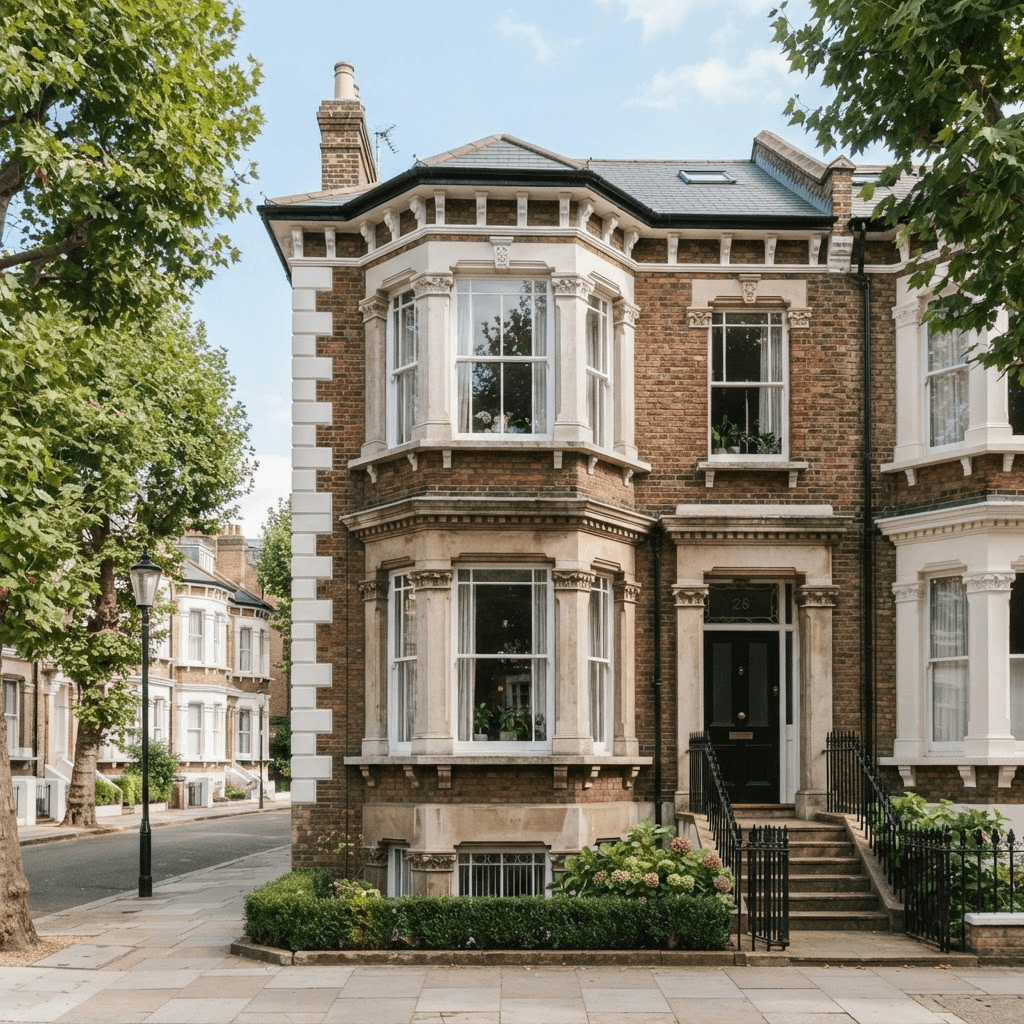
If your London home shakes to the rhythm of the Elizabeth Line, echoes with bumper-to-bumper South Circular traffic, or sits directly under a Heathrow or City Airport flight path, you already know the toll that urban noise pollution takes on daily life. Sleep disruption, constant background stress, and compromised concentration are unfortunate realities for thousands of period property owners across the capital.
For residents living in Victorian, Georgian, or Edwardian homes — especially those in Grade I and II listed buildings or conservation areas — replacing original timber windows with modern double or triple glazing is rarely an option. Conservation officers protect architectural heritage, and full window replacements can cost a small fortune while risking legal penalties.
Fortunately, acoustic secondary glazing provides an invaluable, heritage-approved solution. By adding an independent second window frame discreetly behind your existing panes, you can achieve up to 54dB noise reductionwithout altering your property's historic exterior.
Quick answer: what is acoustic secondary glazing and how much noise does it stop?
- Performance: High-specification acoustic secondary glazing can reduce external noise by 35dB to 54dB (roughly an 80% perceived drop in volume).
- The mechanism: It uses a wide, decoupled air cavity (100mm to 200mm) combined with specialised acoustic laminated glass to disrupt sound-wave frequencies.
- Heritage status: Fully compliant with conservation area and listed building guidelines because it preserves the original external windows.
- Grant support: Homeowners located near Heathrow Airport may also qualify for noise insulation grant schemes, making upgrades even more cost-effective.
The London noise challenge: traffic, trains, and flight paths
Living in London means embracing vibrant culture, but it also means enduring high decibel levels. Acoustic surveys across the capital regularly flag three major sources of intrusion:
- Busy urban roads and red routes: Major arterial roads, dual carriageways, and bus lanes generate low-frequency rumbling from heavy goods vehicles and high-frequency tyre-on-asphalt friction. Standard single glazing offers virtually no defence against frequencies below 500Hz.
- Railway and underground lines: Surface railways, freight routes, and deep-level underground vibration create both airborne noise and structural resonance that penetrates single panes with ease.
- Flight paths: Approach and departure corridors for Heathrow and London City Airport subject thousands of homes to intermittent, high-decibel roar (often hitting 85dB to 90dB externally).
When external noise reaches 85dB outside, typical single-glazed period windows only block about 20dB to 25dB, leaving indoor environments sitting at a disruptive 60dB+. To transform your living space into a calm sanctuary, you need a system engineered specifically for severe acoustic isolation.
How acoustic secondary glazing works
Many homeowners assume that standard double glazing solves noise issues. In reality, standard double-glazed sealed units are engineered primarily for thermal insulation, not acoustics. Because both panes are often the same thickness, they vibrate at the same frequency (the acoustic coincidence dip), allowing certain noise frequencies to pass straight through.
Acoustic secondary glazing takes a fundamentally different, scientifically superior approach:
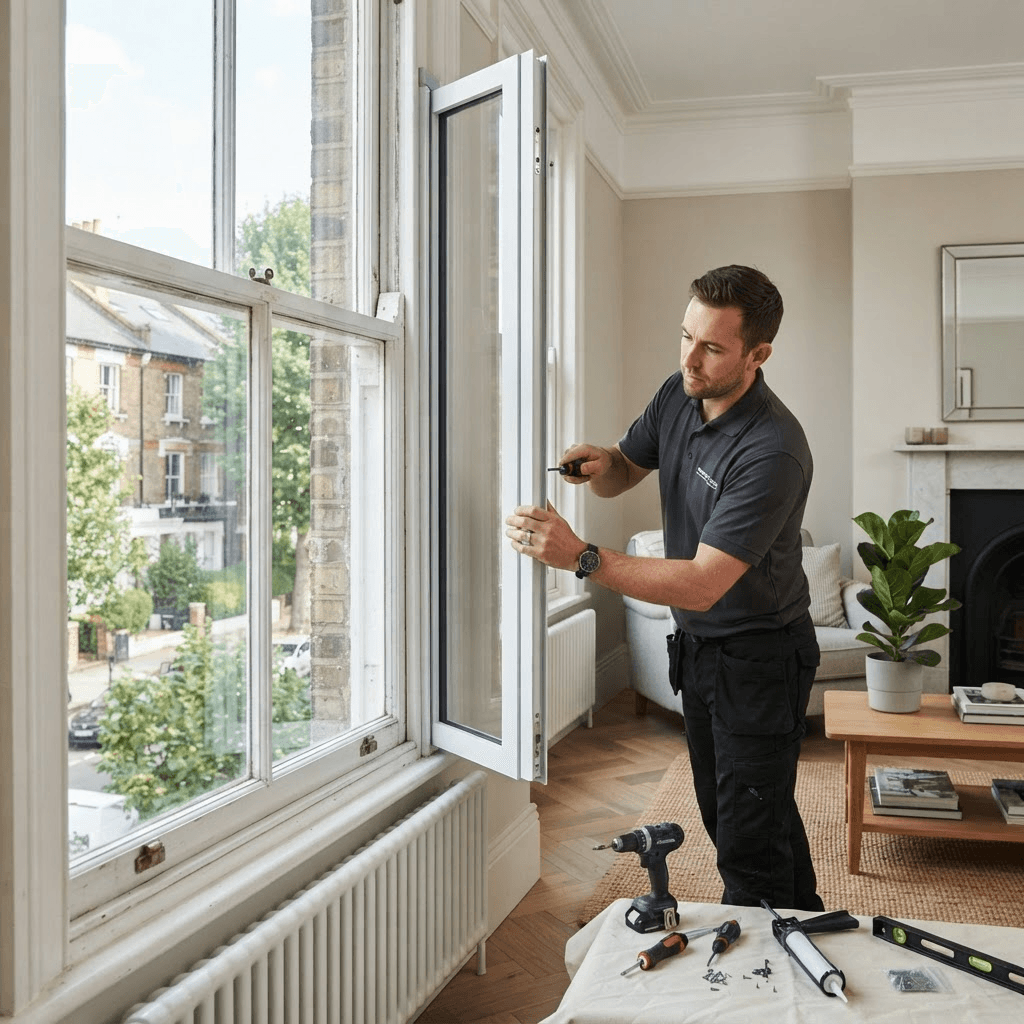
- The decoupled air gap: Mounting a secondary frame 100mm to 200mm behind your existing window creates a deep acoustic cavity. Sound waves must travel through the first window, lose energy across the air gap, and strike a second independent barrier.
- Asymmetric glass construction: Secondary units use differing glass thicknesses or specialised acoustic interlayers. This prevents sympathetic resonance, ensuring frequencies blocked by the outer pane are neutralised by the inner pane.
- Airtight perimeter sealing: High-performance magnetic or compression seals eliminate the microscopic gaps where sound leaks into rooms.

For more technical detail on our engineered systems, explore our dedicated acoustic secondary glazing services.
Glass options compared: standard vs. acoustic laminated
Choosing the right glass specification is critical when targeting specific noise profiles. The table below outlines how different glazing options perform in high-noise London environments.
| Glazing type | Typical Rw rating | Best suited for | Perceived noise reduction |
|---|---|---|---|
| Original single glazing | 24 – 28dB | Unmodified period homes (baseline) | Baseline (noisy) |
| Standard secondary glazing (4mm) | 35 – 38dB | Quiet residential side streets | Moderate improvement (~50%) |
| Heavy secondary glazing (6mm) | 39 – 42dB | Moderate traffic and urban hum | Noticeable drop in general noise |
| Acoustic laminated (10.8mm Stadip Silence) | 48 – 54dB | Busy roads, railway lines, and flight paths | Dramatic reduction (~80% quieter) |
For properties facing severe railway or airport noise, 10.8mm acoustic laminated glass — featuring a specialised polyvinyl butyral (PVB) acoustic interlayer — is the gold standard. It dampens vibration across a broad spectrum, turning an 85dB outside roar into a tranquil 35dB indoor whisper.
Heathrow quieter neighbourhood support schemes
If you live in West London, Hounslow, Richmond, Hillingdon, or surrounding boroughs under Heathrow's flight paths, there is a timely financial incentive to upgrade your home. Heathrow Airport operates ongoing noise insulation and grant schemes designed to help eligible homeowners install high-performance acoustic and secondary glazing. Properties within designated noise contours may qualify for substantial grants or fully funded contributions towards soundproofing.
- Grant alignment: Approved specifications for Heathrow schemes typically require an overall window acoustic rating of 42dB Rw or higher.
- Integrated ventilation: Because acoustic windows must remain closed to maintain maximum soundproofing, grant-eligible installations often incorporate acoustic trickle vents or mechanical ventilation to ensure healthy indoor air quality.
- Specialist documentation: Working with an accredited London specialist ensures you receive the precise Rw test certificates and itemised quotations required to streamline your grant application.
Choosing your solution: an "if/then" decision guide
- If you live in a conservation area or listed building where exterior replacements are prohibited, then choose listed building secondary glazing to preserve your heritage while gaining superior sound insulation.
- If your primary pain point is rattling timber sashes combined with heavy traffic noise, then opt for custom-built sash secondary glazing featuring heavy acoustic laminate.
- If you reside directly under a flight path or near a mainline railway, then specify a 10.8mm acoustic glass build-up with a 150mm+ cavity to maximise low-frequency decibel suppression.
Frequently asked questions
Will secondary glazing affect the appearance of my original windows?
No. Because secondary glazing is installed on the room side behind your existing window, the exterior aesthetic remains completely untouched. From the street, your property retains its original period character.
Can secondary glazing also improve thermal insulation?
Yes. Alongside cutting noise by up to 54dB, secondary glazing reduces heat loss by up to 64%, eliminating draughts and lowering your annual heating bills.
How does the installation process work?
Our specialists carry out a precise on-site survey to measure your reveals and check window operation. The custom-manufactured units are then fitted cleanly and professionally with minimal disruption to your home.
Secure your peace and quiet today
Urban noise doesn't have to dictate your quality of life. Whether you are battling arterial traffic, commuter trains, or flight paths, acoustic secondary glazing offers a proven, heritage-approved path to complete domestic tranquility.
At London Secondary Glazing, we provide honest advice, transparent fixed pricing, and a 10-year guarantee on all installations. Contact our specialist team today to arrange your no-obligation acoustic assessment, or learn more about soundproof windows.