Quick answer: Secondary glazing for sash windows is an internal window system that sits behind your original frames. It is specifically designed to reduce noise by up to 54dB and heat loss by up to 64%. Because it is a reversible, internal addition, it is the preferred solution for listed buildings and conservation areas across London where double glazing is often prohibited.
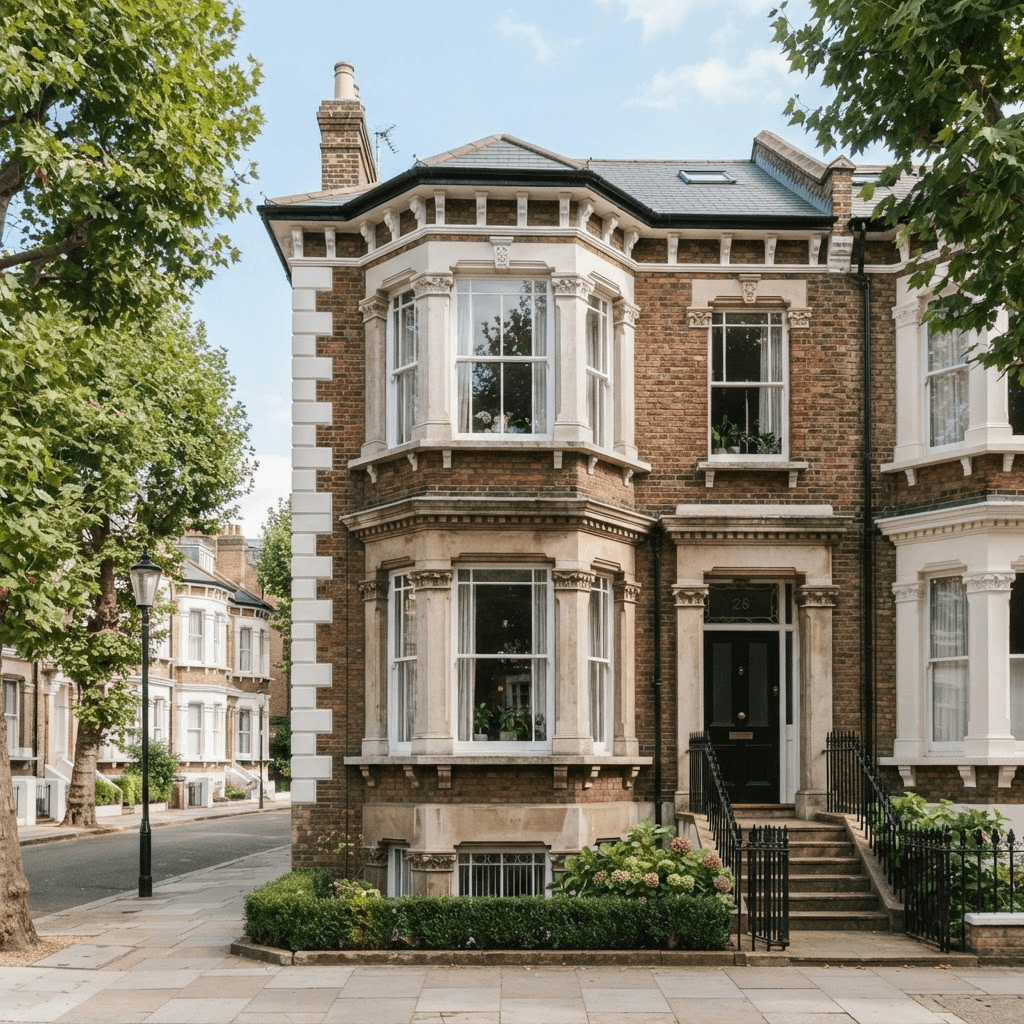
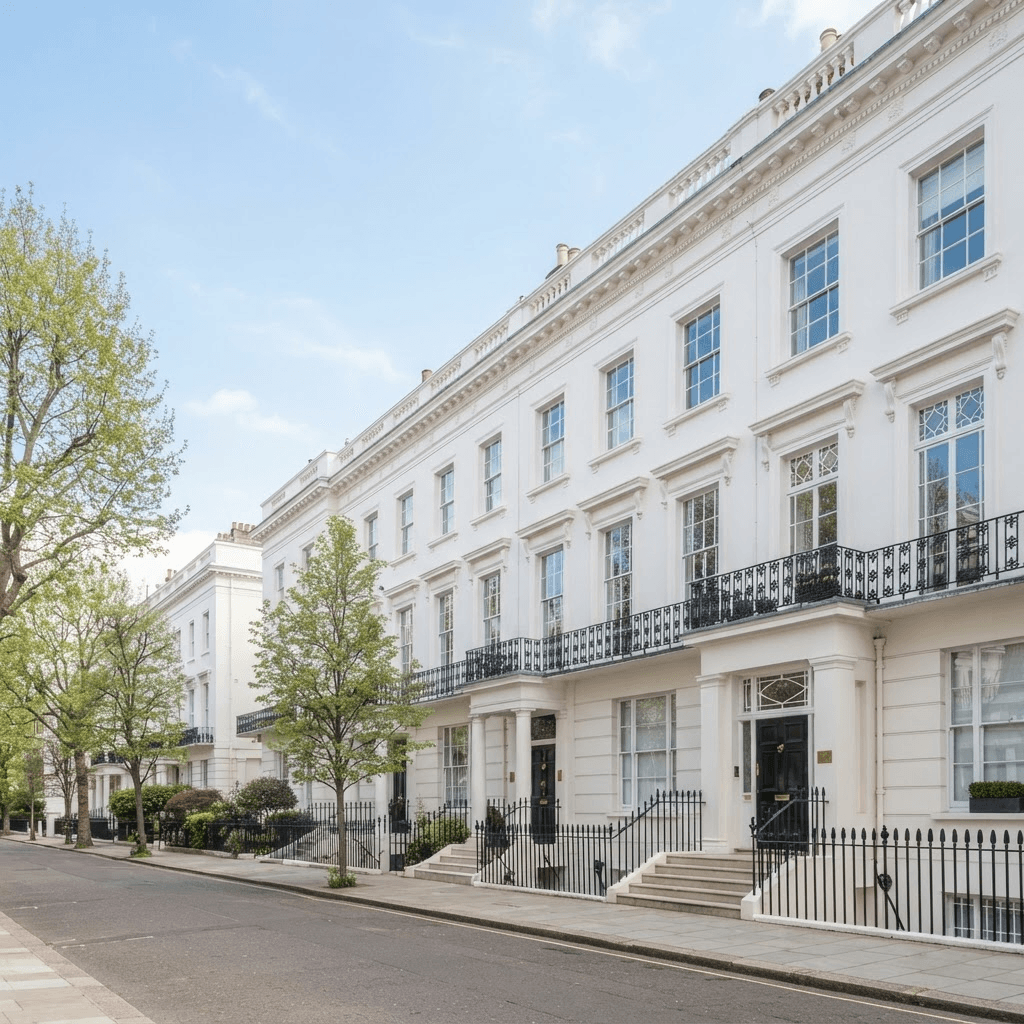
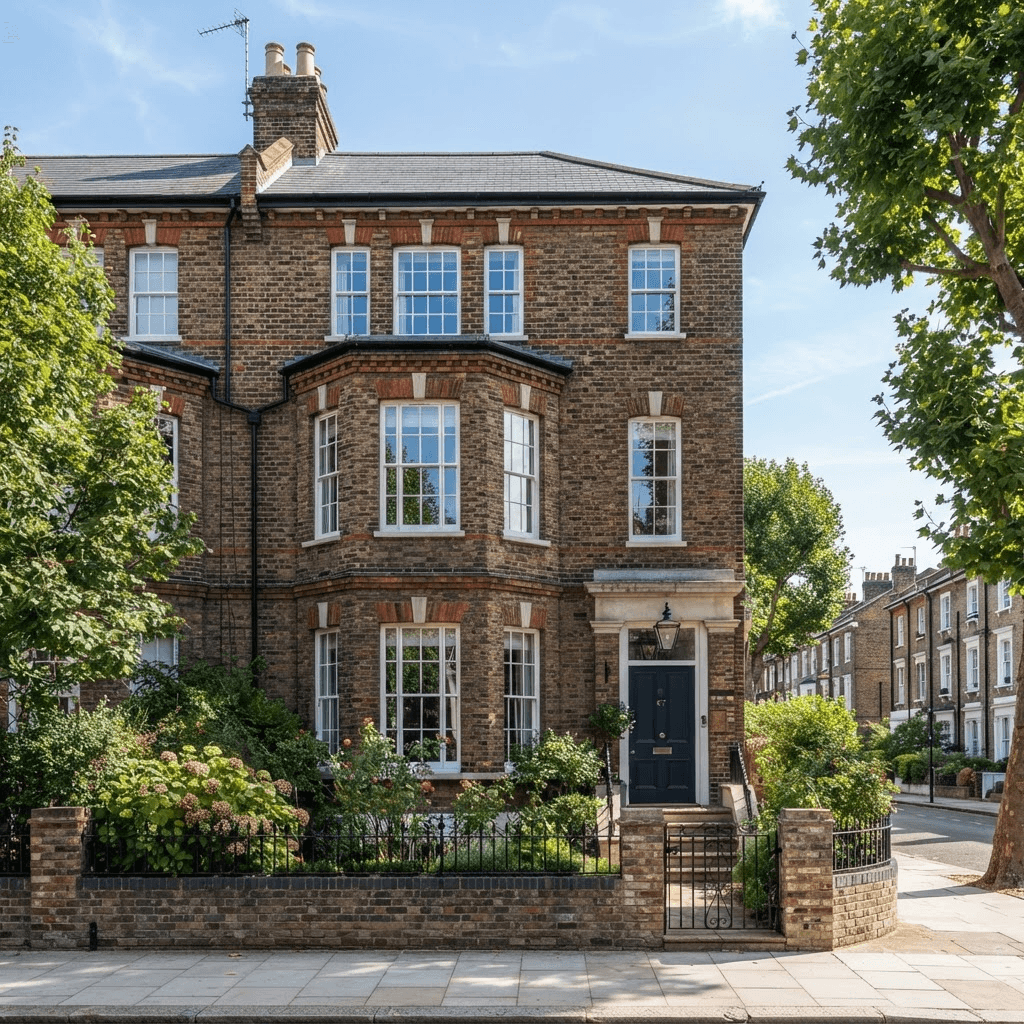
London's architectural heritage is defined by the vertical sliding sash window. Whether you live in a Georgian terrace in Islington, a Victorian villa in Hampstead, or an Edwardian apartment in Muswell Hill, these windows provide the character and "face" of your property.
However, traditional single-glazed sashes are notorious for three primary issues: extravagant heat loss, intrusive street noise, and persistent draughts. For many London homeowners, the dilemma is how to modernise the performance of their windows without destroying the historic fabric of the building or falling foul of strict planning regulations.
Why traditional sash windows need secondary glazing
Most original sash windows consist of a single pane of 3mm or 4mm glass held in a timber frame. While aesthetically beautiful, this configuration offers almost zero thermal resistance and very little acoustic insulation.
The thermal problem
Single glazing has a U-value (a measure of heat loss) of approximately 5.8 W/m²K. In contrast, a modern wall has a U-value of around 0.3. This means your windows are effectively "holes" in your home's insulation. Research shows that up to 25% of a home's heat can escape through inefficient windows.
The acoustic problem
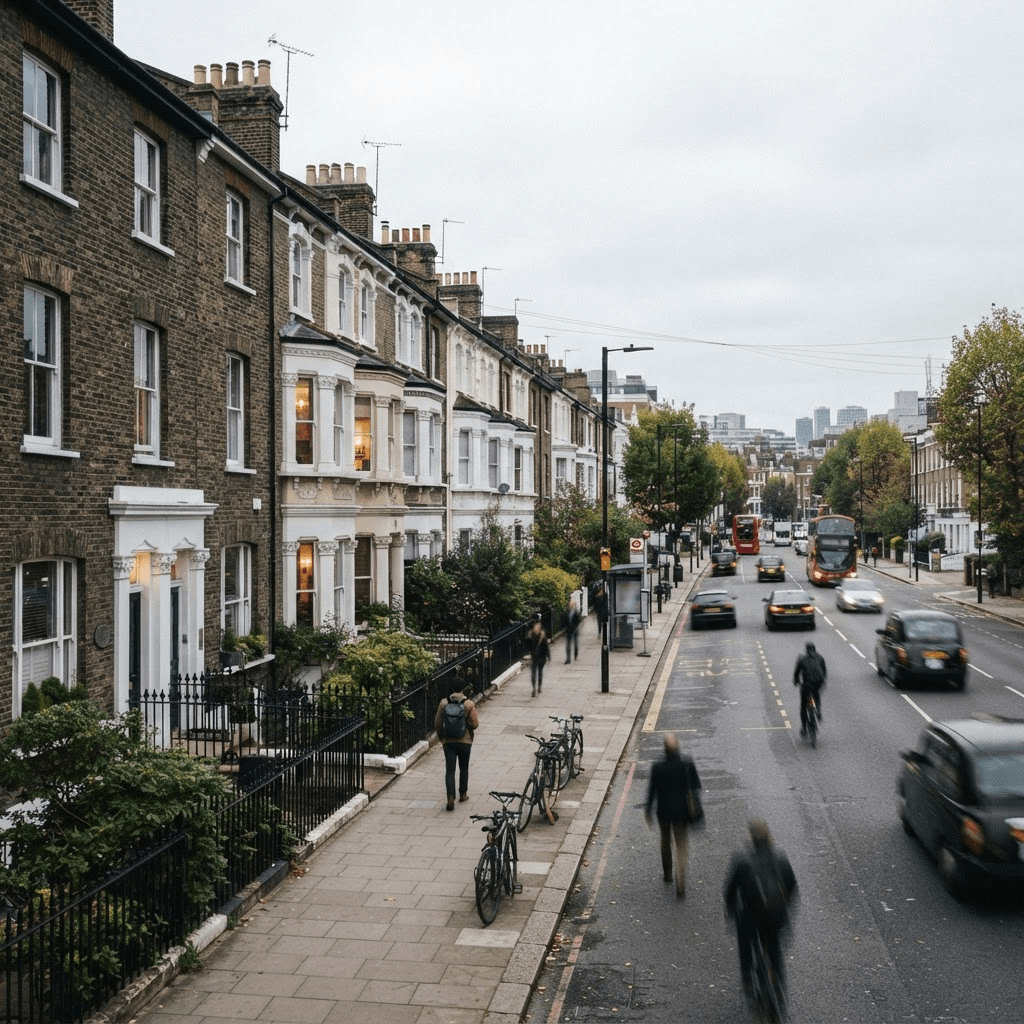
London is a 24-hour city. Whether it's the hum of the North Circular, the rumble of a nearby railway line, or the sirens of central London, single-glazed sashes are poor barriers against sound. They often vibrate in their frames, which can actually amplify certain low-frequency noises.
Secondary glazing for sash windows solves these issues by creating a high-performance seal and an insulating air gap, all without touching your original timber joinery.
How it works: vertical sliding systems
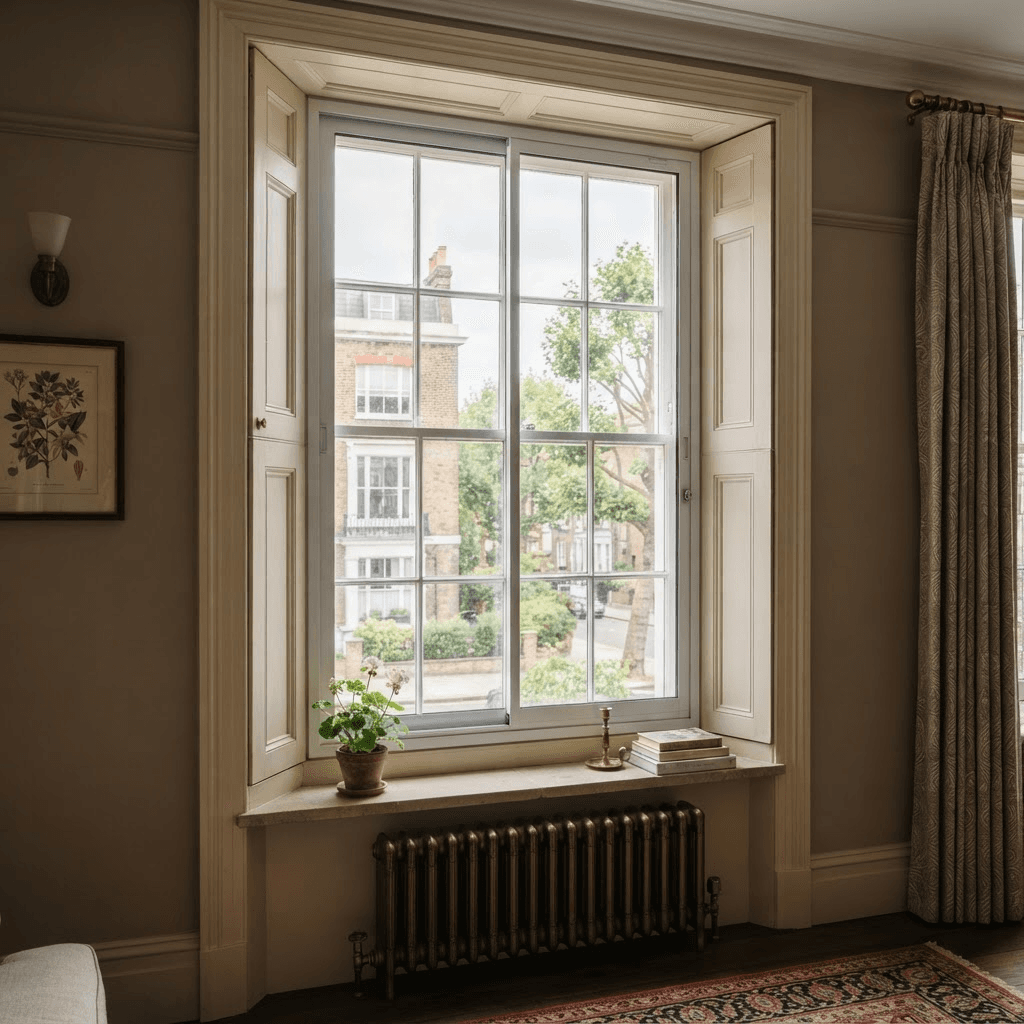
When dealing with secondary glazing in London properties, the goal is "invisibility." You want the benefits of modern technology without seeing a bulky frame cluttered across your view. For sash windows, we utilise vertical sliders. These units are engineered to mirror the operation of your original windows exactly.
- Alignment: The meeting rail of the secondary unit is positioned to align perfectly with the meeting rail of your original sash. From the street, the secondary glazing is virtually invisible.
- Operation: The panels slide up and down on high-quality spring balances, allowing you to easily access your original windows for cleaning or ventilation.
- Integration: We can install these units within the existing window reveal or directly onto the face of the architrave, depending on the depth of your window seat and shutters.
The 4 major benefits of secondary glazing
1. Acoustic insulation (up to 54dB reduction)
Standard double glazing features two panes of glass separated by a small 16mm or 20mm gap. While good for heat, this small gap is insufficient for sound. For true soundproofing, you need a larger air cavity. Secondary glazing allows for a gap of 100mm to 150mm, which acts as a "buffer zone." When combined with specialist acoustic secondary glazing, we can achieve a noise reduction of up to 54dB, effectively silencing 80% of external noise.

2. Thermal efficiency (64% heat loss reduction)
By adding a secondary pane with a Low-E (low emissivity) coating, you create a powerful thermal barrier. This can reduce heat loss through the glass by up to 64%, bringing the thermal performance of a Victorian sash window in line with modern building regulations. This results in a warmer home and significantly lower energy bills.
3. Heritage & listed building compliance
If you own a listed building, replacing your windows with double glazing is almost always prohibited. Conservation officers view original windows as "heritage assets." Because secondary glazing is an internal, reversible addition that does not affect the external appearance, it is the only thermal upgrade widely approved by Historic England and local London councils.
4. Condensation control
Sash windows in London often suffer from condensation, which leads to timber rot and mould. Secondary glazing helps by sealing the warm, moist air of the room away from the cold external glass. When installed with adequate ventilation, it significantly reduces the "weeping window" effect that plagues period homes.
Identifying your London sash windows
The era your home was built determines the "grid" and style of your windows. We custom-manufacture every secondary glazing unit to match these specific patterns.
| Window type | Era | Characteristics |
|---|---|---|
| Georgian Sash | 1714 – 1837 | Usually a 'six-over-six' pane configuration with many small panes held by timber glazing bars. |
| Victorian Sash | 1837 – 1901 | Larger panes of glass, often 'two-over-two' or a single large pane ('one-over-one') as glass manufacturing improved. |
| Edwardian Sash | 1901 – 1914 | Often a hybrid; a multi-pane upper sash over a large single-pane lower sash. |
| Bay Windows | Various | Common in London terraces; requires bay window secondary glazing specifically angled to follow the architecture. |
Comparison: secondary glazing vs double glazing
Many homeowners consider replacing their original sashes entirely. However, for London period properties, the comparison often favours secondary glazing.
| Feature | Secondary glazing | Replacement double glazing |
|---|---|---|
| Noise reduction | Up to 54dB (superior) | Approx 30–35dB |
| Thermal benefit | 64% reduction (high) | 70–75% reduction |
| Planning permission | Usually not required | Often mandatory/denied |
| Cost | Significantly lower | High (new joinery + glass) |
| Property value | Preserves heritage value | Can decrease value in listed areas |
| Install time | 1–2 days (no mess) | 1–2 weeks (construction work) |
For a more detailed breakdown, read our full guide on secondary glazing vs double glazing.
Navigating London planning regulations
If your property is in a conservation area or is Grade I or Grade II listed, you have a legal obligation to preserve its character.
In most London boroughs — including Westminster, Kensington & Chelsea, and Camden — installing secondary glazing is considered a "minor internal alteration." This means you generally do not need Listed Building Consent. However, we always recommend a consultation with a specialist who understands local heritage guidelines to ensure your installation is fully compliant.
Specialist advice for your London home
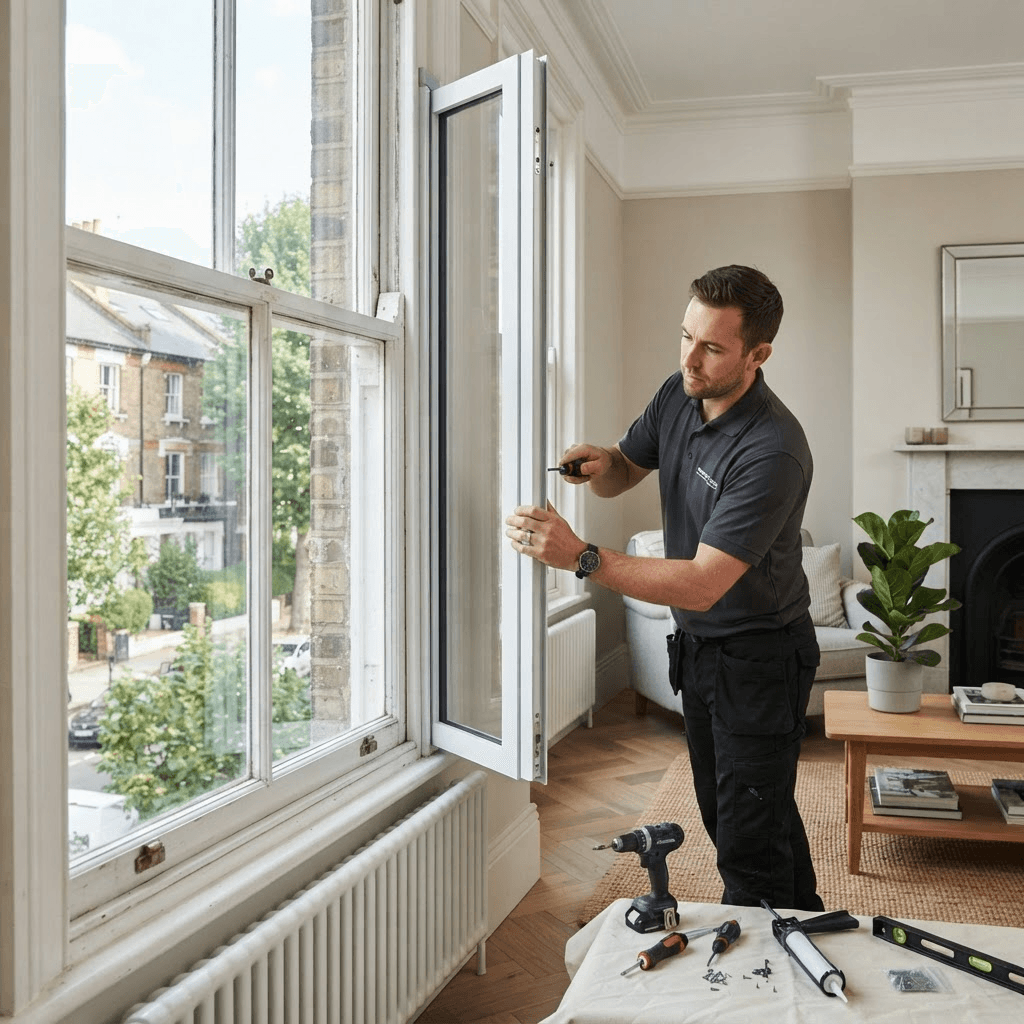
Every London sash window is unique. Settlement over a hundred years means that few frames are perfectly square. Our process involves a precision survey to ensure your secondary units account for every millimetre of movement in your property's structure.
Since 1999, London Secondary Glazing has worked on everything from grand mansions in Belgravia to compact Victorian terraces in Clapham. We provide a 10-year guarantee and FENSA-accredited peace of mind.
Ready to silence the noise and keep the heat in?
Contact our specialists for honest, technical advice on the best solution for your sash windows. We offer a no-obligation survey and fixed, transparent pricing.
Book your free window survey today or view our transparent pricing.