Quick answer: For London period properties, secondary glazing is almost always the superior choicefor noise reduction (up to 54dB) and heritage compliance. While modern double glazing offers slightly better pure thermal U-values, it often requires a total replacement of your original windows — a move that is frequently restricted in listed buildings and can diminish the property's architectural value.
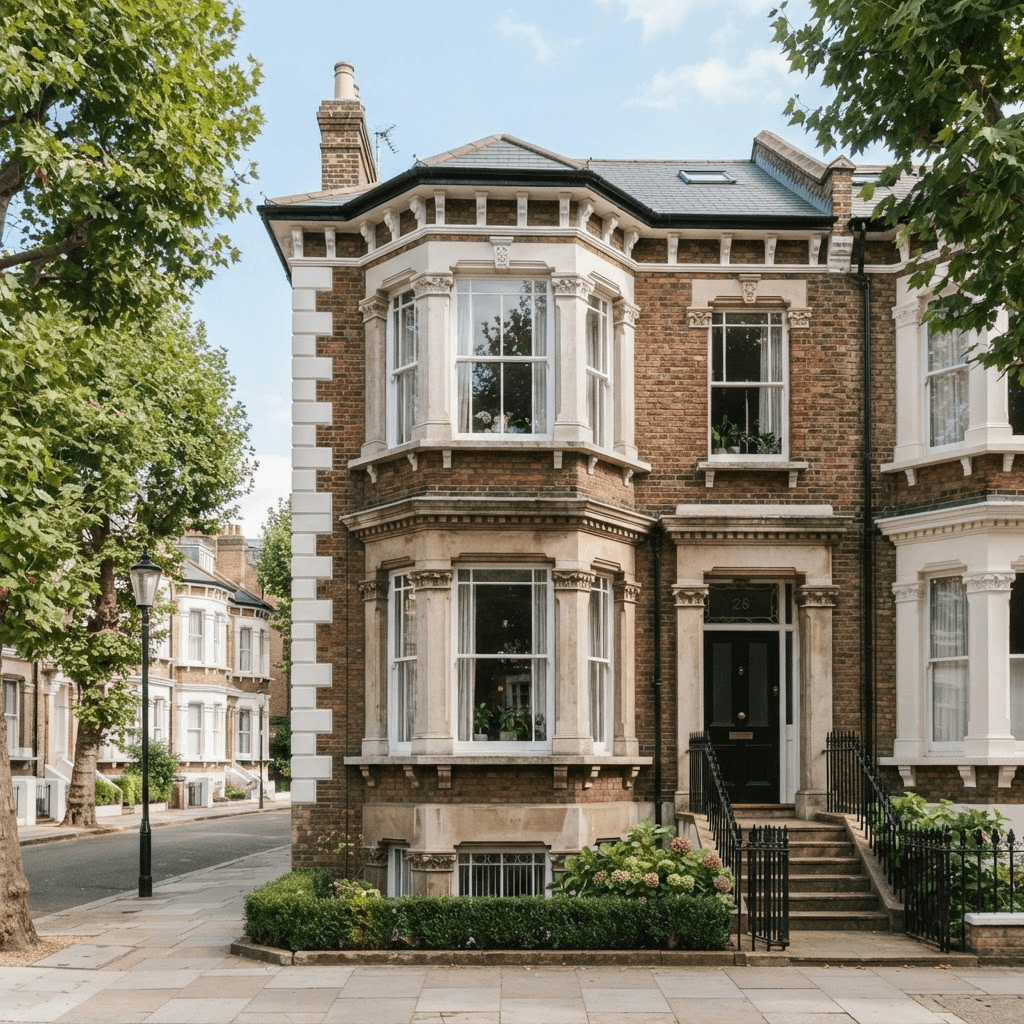
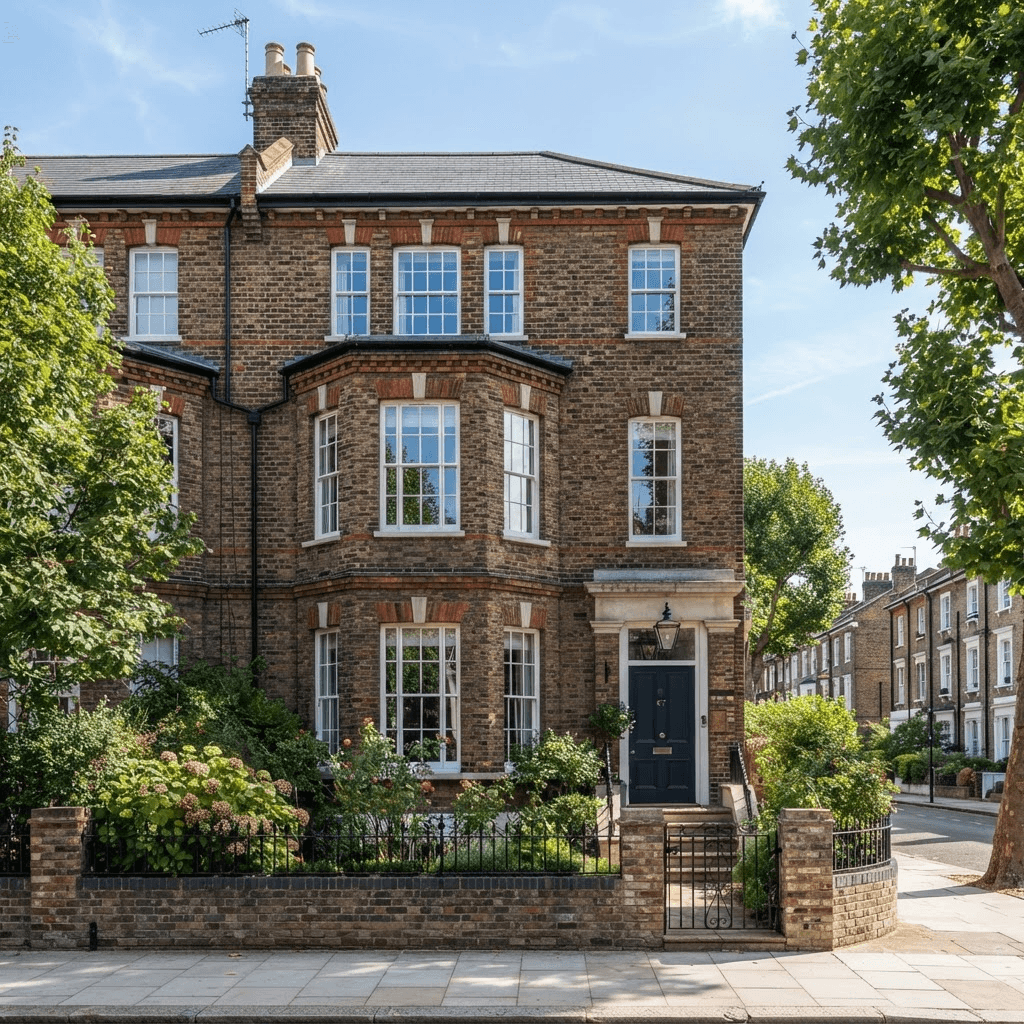
If you live in a Victorian, Georgian, or Edwardian home in London, you face a unique challenge. You likely value the aesthetic character of your original timber sash windows, yet you are all too familiar with the drawbacks: intrusive street noise, persistent draughts, and significant heat loss.
The decision between secondary glazing and double glazing isn't just about insulation; it's about balancing modern performance with historical preservation. As London's secondary glazing specialistssince 1999, we have found that for most period homeowners, the choice comes down to which solution delivers the best results without compromising the building's soul.
Technical comparison: at a glance
The following data compares a standard original single-glazed sash window against modern double glazing and our specialist acoustic secondary glazing.
| Metric | Original single glazing | Replacement double glazing | Secondary glazing (acoustic) |
|---|---|---|---|
| Noise reduction | ~20 dB | 25–35 dB | Up to 54 dB |
| Typical U-value | 5.0 W/m²K | 1.2–1.6 W/m²K | 1.8–2.2 W/m²K |
| Planning permission | N/A | Often required | Rarely required |
| Window integrity | Original | Replaced | Preserved |
| Installation impact | N/A | High (construction) | Low (non-invasive) |
1. Acoustic performance: silencing the city
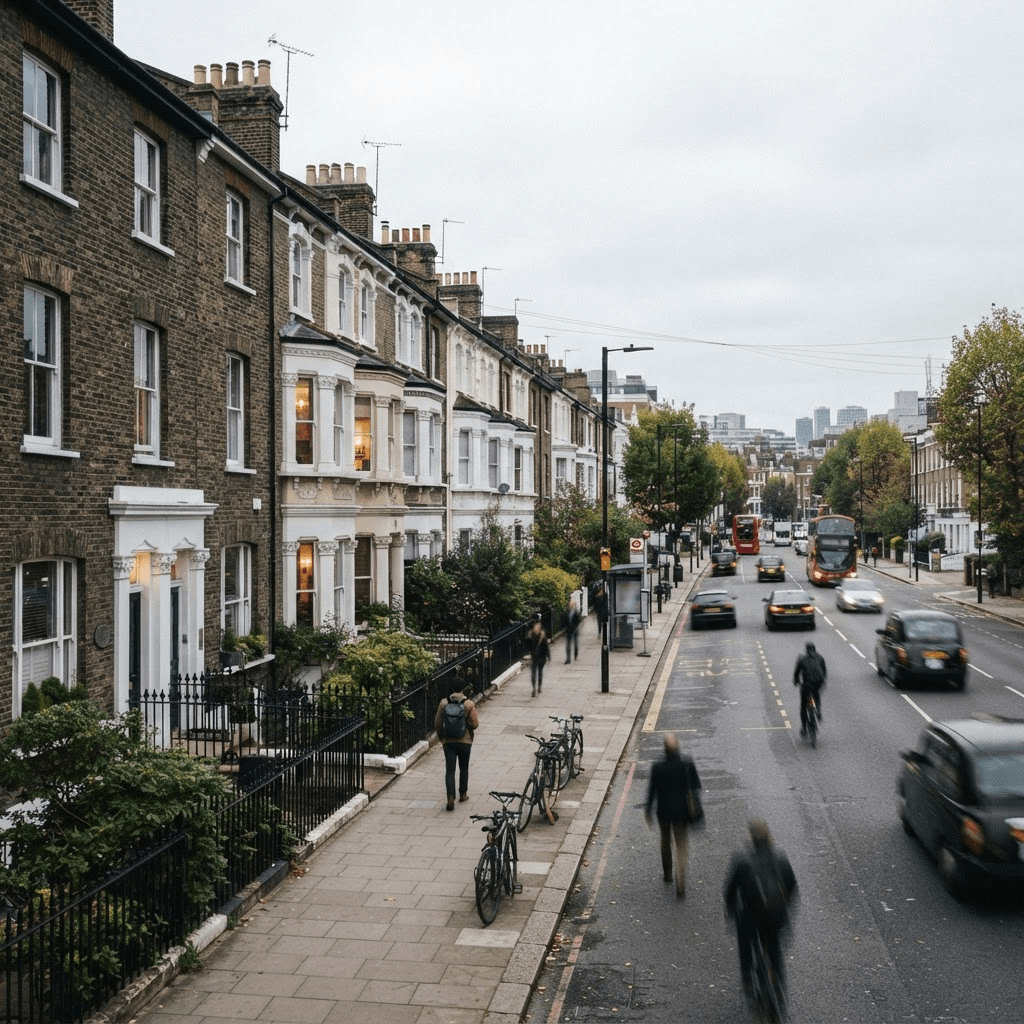
For residents near busy A-roads, railway lines, or under Heathrow and London City flight paths, noise is the primary pain point.
The physics of sound: Standard double glazing features two panes of glass separated by a small gap (typically 16mm). While effective for basic thermal insulation, this narrow gap is physically unable to dampen low-frequency sounds like traffic rumble or jet engines.
In contrast, our acoustic secondary glazing creates a decoupled air gap of 100mm to 200mm. This larger "buffer zone" is the critical factor in soundproofing. When paired with laminated acoustic glass, this system can reduce noise by up to 54dB. In real-world terms, this is the difference between hearing a loud truck passing outside and barely noticing the background hum.

Choose secondary glazing if: Your home is affected by high-decibel urban noise and you require the quietest possible interior environment.
2. Thermal efficiency: cutting your energy bills
Heat loss is the second major concern for London homeowners. A traditional single-glazed sash window is essentially a "hole" in your home's thermal envelope, with a U-value of approximately 5.0 W/m²K.
By installing thermal secondary glazing, you can reduce window heat loss to a U-value of around 1.8 W/m²K. Our bespoke units act as a high-performance seal, eliminating the draughts that are common in Victorian sash windows.
While replacement double glazing can achieve slightly lower U-values (around 1.2 W/m²K), the gain is often marginal when compared to the high cost and disruption of a full window replacement. Secondary glazing provides a highly effective thermal barrier that makes your home noticeably warmer and significantly cheaper to heat.
3. Preserving heritage and legal compliance

For owners of Grade I or Grade II listed buildings, or those living in conservation areas, the decision is often made for you.
Local planning authorities in London (such as Westminster, Kensington & Chelsea, or Camden) are notoriously protective of original window "fenestration." Replacing original timber sashes with modern double-glazed units often requires specific planning permission, which is frequently denied if the change alters the external appearance of the building.
Because secondary glazing is installed on the internal side of your existing windows, it is a reversible, non-invasive solution that generally does not require planning permission. It is the heritage-approved method for upgrading listed buildings, allowing you to keep your historic glass and timber while enjoying modern comfort.
The decision framework: which is right for you?
Choosing between these two options depends on your specific priorities and property constraints. Use the following logic to guide your decision.
Choose secondary glazing if…
- You live in a listed building or a conservation area.
- You want to preserve your original timber sash or bay windows.
- Your primary concern is extreme noise reduction (traffic, sirens, aircraft).
- You want a clean, quick installation without the mess of structural work.
- You are looking for a cost-effective way to improve EPC ratings.
Choose double glazing if…
- Your original window frames are rotted beyond repair and must be replaced anyway.
- You are not subject to strict heritage or planning regulations.
- You are performing a full-scale renovation and thermal-only performance is your only metric.
Looking for a side-by-side feature breakdown? See our full secondary glazing vs double glazing comparison guide.
Why choose London Secondary Glazing?

Since 1999, we have specialised exclusively in the unique needs of London's period homes. Our approach is consultative and specialist-led:
- 10-year guarantee: We stand by the durability of our custom-fitted units.
- FENSA accredited: Our work meets the highest industry standards for quality and safety.
- Acoustic experts: We don't just install windows; we engineer sound environments.
- Transparent pricing: We provide fixed-price quotations with no hidden costs or hard-sell tactics.
Whether you have sash windows, bay windows, or casement windows, we can design a bespoke solution that fits seamlessly into your home.